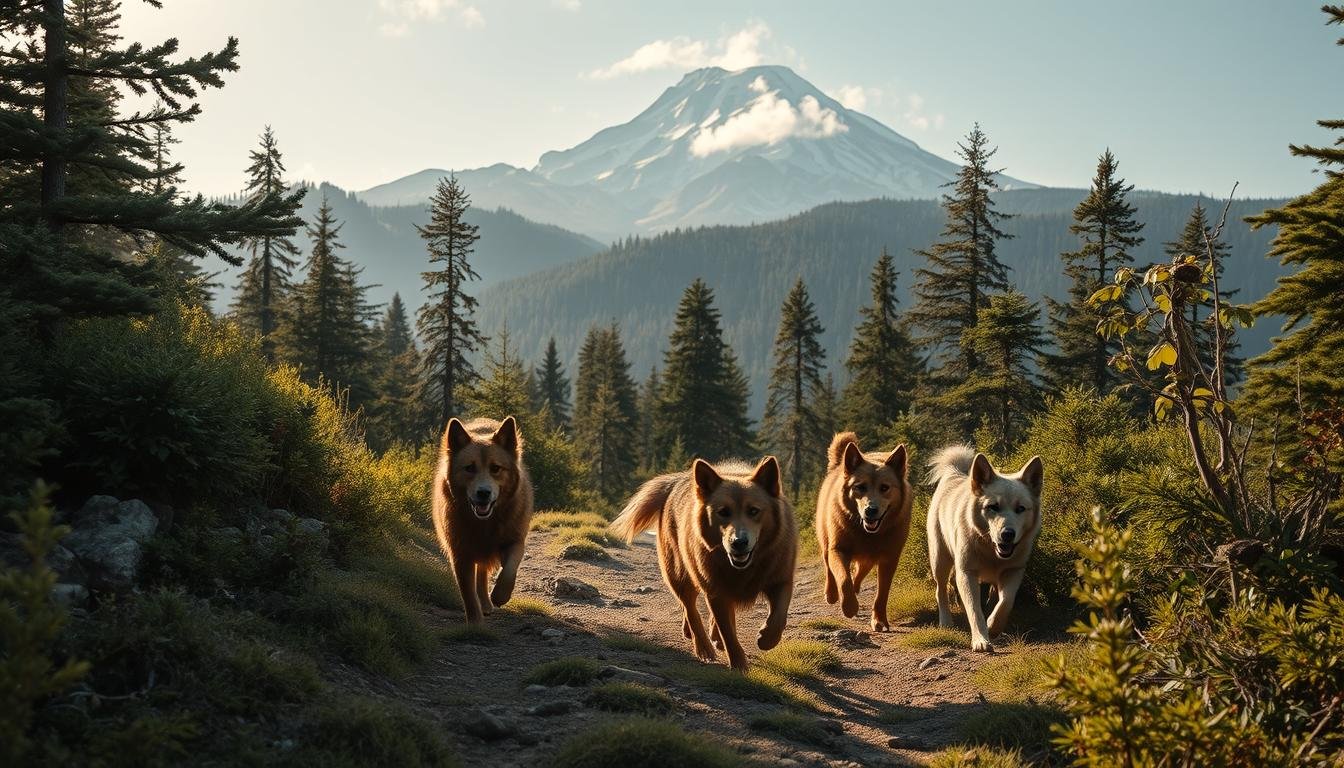
Did you know that many dog breeds love to explore and go on adventures? Letting them follow their natural instincts can make their lives more exciting and yours too.
Unlocking your dog’s wild spirit means knowing what makes them special and encouraging their love for adventure. This boosts their health and happiness.
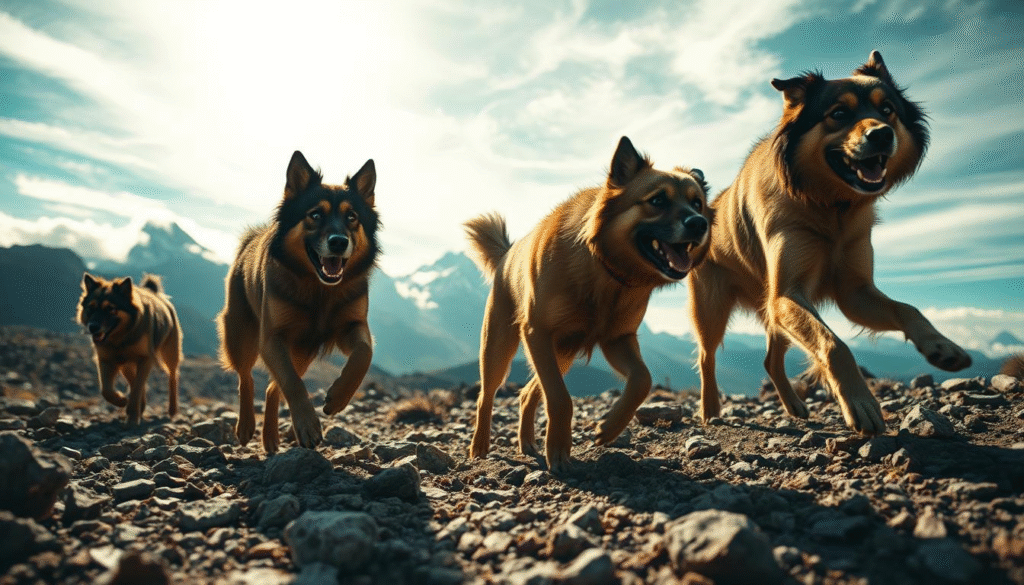
By understanding and supporting your dog’s instincts, you can make their life more fun and active. This guide will show you how to help your dog enjoy their adventurous side.
Key Takeaways
- Understanding your dog’s breed-specific traits is key.
- Nurturing their adventurous side improves their well-being.
- Creating an engaging lifestyle for your dog is vital.
- Recognizing your dog’s natural instincts is essential to unleash their fullness.
- Supporting their adventurous nature leads to a more fulfilling life.
Understanding the Natural Instincts of Dogs
Dogs have instincts from their wild ancestors. Even after being domesticated for centuries, many of these instincts are seen in today’s dogs.
The Ancestral Connection to Wild Canines
Dogs and wolves share a common ancestor. This connection shows in their behaviors and looks today.
Wolf Behaviors in Domestic Dogs
Domestic dogs show wolf-like traits like pack behavior and hunting. These traits show their wild roots.
Dogs form close bonds with their families, showing pack dynamics. They also protect their families, just like wolves.
How Domestication Has Modified Natural Instincts
Domestication has changed some dog instincts, but many remain the same. Breeding has focused on certain traits, but dogs’ wild nature is unchanged.
Common Traits of Adventure-Seeking Dogs
Adventure-seeking dogs are full of energy, curious, and love to chase. These traits come from their wild ancestors, making them great for outdoor fun.
| Trait | Description | Relation to Wild Ancestors |
| High Energy | Dogs that have abundant energy are always ready for action. | Wolves are known for their endurance and constant activity. |
| Curiosity | Curious dogs are always exploring their surroundings. | Exploration is a key survival trait in wild canines. |
| Prey Drive | A strong instinct to chase and catch prey. | Wolves use their prey drive to hunt for food. |
Benefits of Embracing Your Dog’s Wild Side
Accepting your dog’s wild nature can make your bond stronger and your dog happier. Activities that meet their wild instincts can solve behavioral issues and deepen your connection.
Assessing Your Dog’s Adventure Level
It’s important to know how adventurous your dog is. This helps make sure you both have a good time. You need to look at their breed, personality, and how well they can keep up.
Breed-Specific Tendencies for Outdoor Activities
Dogs from different breeds are suited for different outdoor activities. Some breeds love exploring the wild.
High-Energy Breeds Built for Adventure
Breeds like Border Collies, Australian Shepherds, and Siberian Huskies are full of energy. They love being outside and are great for adventures.
Considerations for Brachycephalic and Small Breeds
Brachycephalic breeds, like Pugs and Bulldogs, and small dogs might struggle in harsh weather or tough activities. Think about these challenges when planning your adventures.
Personality Indicators for Adventure Readiness
A dog’s personality is key to knowing if they’re ready for adventures. Traits like being curious, confident, and having a strong recall are good signs.
Physical Capabilities and Limitations
It’s vital to check your dog’s physical health and abilities. Consider their age, fitness, and any health problems. This ensures your dog stays safe and happy on your adventures.
Essential Gear for Wilder Dogs
Going on outdoor adventures with your untamed dog requires the right gear. This ensures a fun and safe trip. Whether you’re exploring the wilderness or local trails, the right equipment is key.
Safety Equipment Every Adventure Dog Needs
Keeping your dog safe outdoors means having the right safety gear. This includes:
GPS Trackers and ID Tags
A GPS tracker helps you keep an eye on your dog’s location. An ID tag with your contact info is vital if your dog gets lost. Look for a GPS device made for dogs, with features like waterproofing.
Reflective and Protective Gear
Reflective gear, like vests or collars, makes your dog more visible at night. Protective gear, like booties, protects their paws from rough terrain or cold.
| Gear Type | Purpose | Recommended Features |
| GPS Tracker | Real-time location tracking | Waterproof, long battery life |
| ID Tags | Identification if lost | Durable, engraved with contact info |
| Reflective Vest | Increased visibility | High-visibility material, adjustable |
Weather-Appropriate Gear
It’s important to prepare for different weather. For hot days, use cooling vests or bandanas. In cold weather, insulated coats or jackets will keep your dog warm.
Hydration and Nutrition Solutions for the Trail
It’s vital to keep your dog hydrated and fed on the trail. Use portable water bottles or collapsible bowls for water. For snacks, choose energy-rich options or a portable feeding system.
With the right gear, your wilder dog will have a safe, fun, and memorable outdoor adventure.
Basic Training for Wilderness Exploration
Getting ready to explore the wilderness with your dog? Basic training is key. It keeps your dog safe and strengthens your bond. Plus, it makes your adventure better.
Reliable Recall Commands
A good recall command is essential for off-leash fun. It lets you call your dog back quickly, even when they’re distracted.
Progressive Distance Training
Start with short distances and slowly increase them. Consistency is key here. It builds trust and helps your dog understand the command better.
Distraction-Proofing Your Commands
Test your dog’s recall with distractions like other dogs, people, or wildlife. Gradually increasing distractions makes recall more reliable.
Trail Etiquette Training
Teaching your dog trail etiquette is vital. It ensures they respect other trail users and wildlife. Training them to stay on the trail and not disturb nature is important.
Teaching your dog to yield to others and avoid sensitive areas is good for everyone. It shows respect and prevents conflicts.
Emergency Response Conditioning
Teaching your dog for emergencies is lifesaving. You need to teach them to stay calm and follow commands even when stressed.
By focusing on these key areas, your wilderness adventures with your dog will be fun and safe. The aim is to have a well-behaved and responsive companion for your adventures.
Introducing Your Dog to Outdoor Adventures
Getting your dog ready for outdoor fun takes patience and the right steps. Start with the basics and slowly move to more exciting adventures.
Starting Small: Backyard Exploration
Start by letting your dog explore the backyard. This helps them get used to new sights, smells, and sounds. You can make it more fun by setting up a mini obstacle course or hiding treats.
Progressing to Local Trails
When your dog is ready, move to local trails. This step is about getting them ready for their first trail walk and knowing when they’re not comfortable.
First Trail Walk Preparation
Before your first trail walk, make sure your dog knows their leash and basic commands. Also, pick a trail that fits your dog’s age, breed, and fitness level.
Reading Your Dog’s Comfort Signals
It’s important to watch for signs of stress or discomfort. If your dog tucks their tail, avoids eye contact, or hesitates, slow down or go back to a safer place.
Building Endurance Safely
As you walk more and longer, it’s key to build your dog’s endurance safely. Start with small increases in distance and intensity. Watch their health and adjust your plans to avoid overdoing it.
| Activity | Duration | Frequency |
| Backyard Exploration | 15-30 minutes | Daily |
| Local Trail Walks | 30-60 minutes | 3 times a week |
| Longer Hikes | 1-2 hours | 1-2 times a week |
Hiking with Wilder Dogs: A Complete Guide
Wilder dogs are perfect for hiking because of their curiosity and energy. Before your next hike, think about a few things. This will make sure you and your dog have a good time.
Selecting Dog-Friendly Trails
Choose trails that are safe for dogs. Make sure they match your dog’s size, age, and fitness. Stay away from trails with dangers like toxic plants or steep cliffs.

Pacing and Distance Considerations
It’s important to pace yourself on a hike. Start with short walks and slowly add more distance. This helps your dog get used to longer hikes.
Age-Appropriate Hiking Distances
The right distance for a hike depends on your dog’s age. Puppies should start with short walks. Adult dogs can go further, but seniors might prefer shorter walks.
Rest and Recovery Protocols
It’s key to take breaks during a hike. Give your dog water and snacks to keep them hydrated and energized.
| Dog’s Age | Recommended Hiking Distance | Rest Frequency |
| Puppy (under 1 year) | 1-2 miles | Every 30 minutes |
| Adult (1-7 years) | 3-5 miles | Every 45 minutes |
| Senior (8+ years) | 1-3 miles | Every 30 minutes |
Wildlife Encounter Management
Be ready for wildlife when hiking with your dog. Keep your dog on a leash or under voice control. This helps avoid wild animal encounters.
By following these tips, you and your wilder dog can have a great time hiking. It’s a chance to bond and explore the outdoors together.
Water Adventures for Adventure-Loving Canines
Water activities can be a great way to engage your dog’s natural instincts. It’s like they’re acting like wild dogs in their natural habitats. Whether your dog loves swimming or is just starting, there are many ways to make sure they have fun and stay safe.
Swimming Safety and Introduction
Teaching your dog to swim needs patience and planning. Start in shallow waters where your dog can stand with their paws on the bottom.
First-Time Swimming Tips
- Begin in calm, shallow waters to help your dog get accustomed to the sensation.
- Use positive reinforcement techniques, such as treats and praise, to encourage your dog.
- Gradually increase the depth as your dog becomes more confident.
Water Safety Equipment
Getting the right safety gear is key. Consider a dog life jacket, for dogs new to swimming or in open water.
Kayaking and Paddleboarding with Your Dog
For dogs that love the water, kayaking and paddleboarding are great. Make sure your dog is comfortable on the craft before you go.
Beach Exploration and Ocean Safety
Beach trips are fun for dogs, letting them explore new places. But, it’s important to know about ocean safety. Watch for strong currents and dangerous sea creatures.
By understanding and preparing for these things, you can make sure your dog’s water adventures are fun and safe. This lets them enjoy their untamed spirit.
Camping and Overnight Adventures
Going on camping trips with your dog can be a blast. It’s a great way to spend quality time together. Make sure you’re ready for a fun and safe adventure in the wilderness.
Setting Up a Dog-Friendly Campsite
It’s important to make your campsite comfy and safe for your dog. This means setting up a cozy sleeping area and securing the site.
Securing Your Campsite
To keep your dog safe, make sure your campsite is fenced or enclosed. Here are a few ways to do this:
- Use a portable dog fence or enclosure
- Keep your dog on a leash outside the campsite
- Always watch your dog
Creating a Comfortable Sleeping Area
Bring your dog’s favorite bed or blanket for a cozy sleeping spot. Place it in a quiet, sheltered area of the campsite.

Nighttime Safety Precautions
Nighttime camping can be tricky. Here’s how to stay safe:
- Have a flashlight ready for dark times
- Watch out for wildlife
- Keep your dog close and on a leash
Managing Your Dog in Shared Camping Areas
When camping with others, it’s key to respect other campers. Keep your dog in check and be ready to:
| Scenario | Action |
| Other campers approaching | Keep your dog on a short leash |
| Noise disturbance | Calm your dog with commands or treats |
Outdoor lovers say camping with your dog can make your bond stronger. Follow these tips for a fun and safe camping trip with your wilder dog.
“There’s something about sharing the great outdoors with your dog that deepens your connection and fosters a sense of companionship.”
Health and Safety Considerations for Adventure Dogs
When we take our pets on wild adventures, their health and safety come first. Dogs, like their wild ancestors, face many dangers. We must plan carefully to keep them safe.
Preventative Veterinary Care
Make sure your dog is healthy before you go. They need up-to-date vaccinations and parasite protection. Regular vet visits can spot health problems early.
Vaccinations and Parasite Prevention
Vaccines keep your dog safe from local diseases. Parasite prevention is also key. Ticks, fleas, and mosquitoes can carry diseases.
Fitness Assessment Before Adventure
Get a vet to check if your dog is fit for adventure. This is very important for dogs that are not active or have health issues.
First Aid Essentials for Adventure Dogs
Accidents can happen. A dog first aid kit is essential. It should have bandages, antiseptic wipes, tweezers, and any needed medications.
Recognizing Signs of Exhaustion or Injury
Keep an eye on your dog during adventures. Look for signs like limping, too much panting, or being very tired. If you see these signs, rest them and get vet help if needed.
| Health Risk | Signs to Watch For | Preventative Measures |
| Dehydration | Excessive panting, dry gums | Regular water intake, monitoring temperature |
| Injuries | Limping, bleeding | First aid kit, careful trail selection |
| Parasites | Flea or tick bites, skin irritation | Parasite prevention medication, regular checks |
Conclusion: Nurturing the Bond Through Shared Adventures
Letting your dog’s wild side shine opens up a world of fun for both of you. This article has shown how adventures and activities can strengthen your bond. It’s not just about what you do, but the memories you make together.
Key Takeaways for Wilder Dogs:
- Understanding and embracing your dog’s natural instincts and wild dog behavior.
- Assessing your dog’s adventure level based on breed, personality, and physical abilities.
- Equipping your dog with the right gear for safety and comfort during outdoor adventures.
- Training your dog for basic wilderness skills, like recall commands and trail etiquette.
Every step on a hike or by the water’s edge is a chance to grow closer. By embracing the wilder side of your dog, you’re building a lifelong bond. It’s not just about making memories; it’s about creating a deep connection with your pet.

The journey of untamed dogs is full of excitement, challenges, and rewards. As you keep exploring and trying new things with your dog, your bond will only get stronger. It’s built on trust, understanding, and the joy of discovering new things together.
Sources
For more information on dog adventures and outdoor activities, refer to the following resources:
- American Kennel Club: Offers guidance on dog training, health, and outdoor activities.
- PetMD: Provides detailed information on dog health, including preventative care and first aid.
- Outside Online: Features articles on outdoor adventures, including hiking and camping with dogs.
- REI: Offers advice on outdoor gear and equipment for hiking and camping with dogs.
These resources provide valuable insights and information for dog owners looking to explore the outdoors with their pets.
FAQ
What are wilder dogs?
Wilder dogs are domestic dogs that explore their natural instincts. They enjoy outdoor activities and wilderness adventures.
How do I know if my dog is suited for outdoor adventures?
Check your dog’s breed, personality, and physical health. This will tell you if they’re ready for outdoor fun.
What safety equipment do I need for my adventure dog?
You’ll need GPS trackers, ID tags, and reflective gear. Also, weather gear, and ways to keep them hydrated and fed.
How can I train my dog for wilderness exploration?
Teach them recall commands and trail etiquette. Also, teach them how to respond in emergencies. This keeps them safe and well-behaved outdoors.
How do I introduce my dog to water adventures?
Begin with swimming in a safe place. Use positive reinforcement and safety gear. Then, move on to kayaking and paddleboarding.
What health and safety considerations should I be aware of for my adventure dog?
Keep up with vet care and fitness checks. Know first aid and watch for signs of tiredness or injury. This keeps your dog safe and healthy.
How can I ensure my dog’s safety while camping?
Choose a dog-friendly campsite and secure it well. Also, take steps to keep them safe at night. This ensures their safety while camping.
What are some common traits of adventure-seeking dogs?
These dogs are full of energy and curious. They have a strong prey drive. These traits show they’re ready for outdoor fun.
How can I build my dog’s endurance for longer hikes and adventures?
Start with short walks and gradually increase the distance. This builds their endurance for longer hikes and adventures.